Man and van in Greenwich

Greenwich Man And Van provides man and van in Greenwich for homes and businesses that need straightforward transport, loading support and careful handling of belongings. The service suits local moves, single-item transport, small clearances and practical jobs where a full removal lorry is more than is needed. We keep the focus on sensible vehicle use, tidy loading and a clear plan for the items being moved, so the work stays organised from the first collection point to the final drop-off.
Our service is centred on removal work rather than general couriering, with options that can support furniture moves, box transport, small office relocations and help with awkward or bulky items. If you are comparing removal services for a move in or around Greenwich, it is worth checking how the load will be carried, what space is needed, and whether the job calls for extra lifting care. That practical approach is often the difference between a simple move and a day that drifts into delays.
Need a quotation? Use the contact page or send the details you already have. A short description of the load, collection and delivery points, and any access concerns is usually enough to begin.
House moves and flat removals
House moves in Greenwich often need flexible planning because properties vary widely, from compact flats to family homes with stair access, shared entrances or limited parking. Our home moves service is designed to cover the practical parts of domestic relocation: lifting, carrying, loading, journey planning and unloading in the right order. The aim is to keep items grouped properly, reduce unnecessary handling and make sure the move matches the space available at both addresses.
Flat and house removal work is rarely just a question of distance. Access matters, and so does the type of furniture involved. Wardrobes, beds, sofas, dining tables and white goods each need a different approach, especially when there are tight corners or upper floors. For customers comparing broader domestic options, pages such as house removals and house movers describe the same core moving support from slightly different angles, which can help when you are matching the service to the scale of your move.
When preparing a home move enquiry, it helps to give a realistic picture of the items, the likely access at each end and whether anything needs dismantling before transport. If you are trying to keep the move uncomplicated, group the pieces that must travel together and mention anything especially fragile or heavy. A good quotation is usually shaped by the load profile, route, time required and the handling involved, not by distance alone.
Bulky items, furniture and single collections

Not every customer needs a full-property move. Some jobs are about a sofa, a dining set, a bed frame or one heavy piece that needs collecting carefully and taken to a new address or storage location. Our furniture pick-up option is useful when items are too awkward for a standard car and too important to leave to chance. The service suits both planned purchases and clear-outs where the priority is safe lifting and sensible transport.
For more regular or mixed loads, a man and van removals approach can cover one-off collections, partial moves and transport of boxed goods alongside larger furniture. This kind of service is often chosen when customers want help moving items without arranging a full-scale moving crew. It can also suit people who are combining a few different tasks in one trip, such as collecting furniture, moving storage contents and delivering items to another household.
Useful preparation is simple and practical. Measure doorways if the item is especially large, remove loose contents from drawers, and make sure the item can be reached without blocking the route. Clear access saves time and reduces handling, but the main point is still safety: an awkward lift or a rushed turn can create damage very quickly. If you need to ask about item size, route planning or whether a piece should be dismantled first, make that part of the initial enquiry rather than leaving it to the day itself.
Commercial moves and office relocation support
Business customers in Greenwich may need support for desks, office chairs, filing units, IT equipment, archives or stock that has to be moved without disrupting the working day more than necessary. Our commercial moves page covers general business relocation work, while office relocation services are more focused on practical office moves that involve organised loading, careful sequencing and an eye on fragile equipment. Both are aimed at making the move straightforward rather than theatrical.
Office removal jobs usually benefit from a clear inventory, a sense of which items must be accessible first at the destination and a plan for anything sensitive or paperwork-heavy. When a team is moving a small workplace, it helps to separate fixed furniture, personal items and electronics so that unloading can follow a sensible order. If you are comparing options, the distinction between office removals and broader relocation support can be useful when deciding how much help is needed for a short or medium-scale move.
Commercial work often depends on timing and building access as much as on the number of items. Lifts, loading points, narrow corridors and reception arrangements can all affect how a move is handled. For that reason, the most helpful quotation requests include the business type, the approximate quantity of items, any need for disassembly and the intended move window. Give enough detail to avoid guesswork, and it becomes easier to match the vehicle and lifting support to the job.
Packing, loading and moving day organisation
Good moving work is rarely about transport alone. Packing, wrapping and loading affect how efficiently the rest of the job runs, and the wrong order can create delays or damage. The packing and unpacking services page is relevant when customers want practical help preparing items for transit or getting settled again afterwards. Packing support is especially useful where there are breakables, mixed room contents or a move that has to be staged over more than one journey.
- Group items by room or purpose so that unloading is easier at the destination.
- Wrap delicate surfaces and mark boxes that need careful placement.
- Keep essential documents, keys and valuables separate from the main load.
- Make sure walkways are clear before the team arrives.
These steps are not about adding bureaucracy; they simply make the physical work cleaner and safer. If a job includes dismantling, reassembly or the handling of mixed fragile and heavy items, say so early. That allows the move plan to account for time, tools and loading sequence. It also helps to avoid the common problem of items that look manageable until they are brought to a staircase, a tight landing or a parking restriction that changes the moving route.
Vehicle choice, load size and route planning

Choosing the right moving vehicle matters because the vehicle should fit the load without wasting time or forcing unsafe stacking. A service such as moving van support may suit everyday domestic or small business loads, while moving truck arrangements may be better for larger or more awkward volumes. The right choice depends on item size, access and how the job will be loaded, not on labels alone.
Some customers prefer to think in terms of vehicle-and-labour support, and others want a more specific removal style. Pages such as man with a van and man with van provide a route into the same practical type of service, where the work can involve collection, carrying and delivery in one organised trip. What matters is matching the capacity and handling support to the actual move, rather than over-ordering or under-ordering the transport.
Route planning can also shape the quotation. Narrow roads, controlled parking, ferrying items through building entrances and waiting time all influence how the work is scheduled. If you know there will be a lift, a loading bay or a timed arrival slot, include that information. Accuracy is useful here because the smoother the route and access details are, the more confidently the move can be arranged.
Insurance, handling care and service standards
When customers compare removal providers, they usually want reassurance that belongings will be handled sensibly and that the move is set up with care. The insurance and safety page is the best place to look for the company’s stated approach to handling and risk awareness. It is sensible to review how loading is managed, what precautions are described and whether the service suits items that need extra attention during movement.
Another useful consideration is whether the provider’s wider policies are clear and easy to follow. Pages such as health and safety policy and payment and security can help customers understand the way a company sets expectations around safe work and secure transactions. Those details are not decorative; they support trust in the practical parts of the move, especially where there are valuable items or a tight schedule.
Good removal work still comes down to ordinary discipline: lift carefully, stack sensibly, protect delicate surfaces and avoid rushing. If you are booking a move with unusual items, it is wise to mention them early and ask how they should be presented for collection. That conversation is usually more helpful than waiting until the loading point, where the options are narrower and the timetable is already under pressure.
About Greenwich

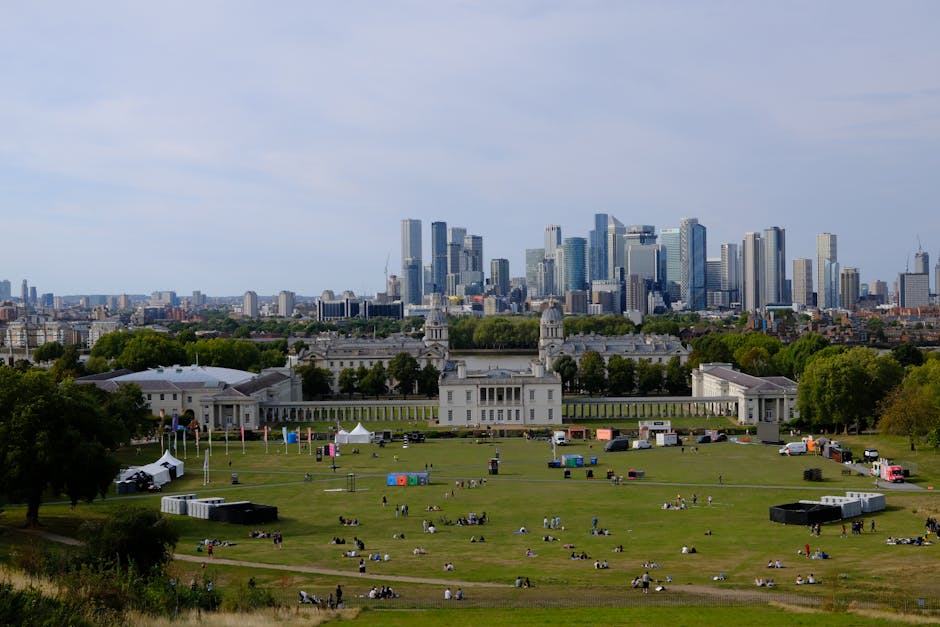
Greenwich is a historic district in south-east London on the south bank of the River Thames, long associated with maritime history, royal connections and scientific measurement. The area is best known for Greenwich Park, the Old Royal Naval College, the National Maritime Museum and the Royal Observatory, each of which reflects a different layer of the district’s development. The observatory’s position on the hill above the river helped establish the Greenwich meridian and later the basis of Greenwich Mean Time, giving the place a global role in navigation and timekeeping. The town grew from a riverside settlement into an important royal and naval centre, and many of its streets still show that layered history in their layout, terraces and institutions.
Greenwich Park is one of London’s oldest enclosed royal parks and offers broad views across the river and the City skyline, while the Cutty Sark, preserved near the riverfront, is another prominent reminder of the district’s seafaring connections. The UNESCO-listed Maritime Greenwich ensemble brings together the park, the observatory, the former naval college and the historic town centre, creating a strong sense of architectural continuity. Away from the major landmarks, the area includes residential streets, markets, schools and local routes that connect to neighbouring parts of south-east London, including Deptford, Blackheath and the Isle of Dogs via river and road links. The Thames Path, riverside piers and transport connections through Greenwich station and Cutty Sark DLR make the district both a visitor destination and a lived-in part of the city. Its mixture of waterfront, heritage buildings, green space and active local life gives Greenwich a character that is at once historic and everyday, with the river remaining central to how the place is seen and understood.
For many visitors, the appeal of Greenwich lies in that balance between landmark heritage and ordinary urban use. The market area, college buildings, parkland and residential terraces sit close together, so the district can feel compact despite its depth of history. It is a place where architecture and open space are both easy to encounter, and where the story of the river is never far away.
Pricing factors and quotation requests
Quotations for removal work are usually shaped by a small group of practical factors: how much needs moving, how far it has to travel, how easy it is to load and unload, and whether the job includes added handling such as dismantling or stair carrying. The page on pricing and quotes is the obvious place to look when you want to understand how enquiries are handled. That is especially useful if you are comparing a small local move with a larger domestic or office relocation.
A good quotation request should include the origin and destination, the main items or room count, any access limitations and the preferred timing. It is also sensible to mention whether the job involves storage, multiple stops or collections from more than one address. If you are unsure which service best fits, the general removal services page gives a broader route into the available moving options, which can help you decide how to describe the work accurately.
Requesting a quote does not need to be complicated. A short, factual summary is often enough to get the process moving. If you already know the details, send them in one message; if you only have a rough outline, say so and keep the essentials clear. The more concrete the information, the easier it is to respond with a realistic plan for the job.
Household removals for different job sizes

Some customers need a small, focused move; others need a broader domestic service that covers more rooms and more items. Pages such as house removalists, house removals and removals reflect that wider household moving scope. The value of a service like this is not in overcomplication, but in providing enough lifting and transport support to suit the actual amount of household goods involved.
If you are moving part of a household rather than every item, a simpler setup may be enough, especially where the main task is transport rather than long-term packing. For customers who want a broader moving solution, removals near me can help frame the search around locality and convenience, although the important point remains the same: the move should be matched to the access, volume and handling needed on the day.
As a final step, make your enquiry clear and direct. Mention the collection point, destination, the main pieces, and anything that could affect loading or travel. Then ask for a quotation so the work can be assessed properly and arranged around the right level of support.
One practical way to plan the move
Whether the job is a single sofa, a flat move or a small business relocation, the best planning starts with honest information about the load and the access. Keep fragile items separate, reduce loose clutter where possible and identify anything that needs special lifting care. If the move involves several rooms, a shortlist of the largest pieces is often more helpful than a long inventory of every object.
Customers sometimes worry about making the request too detailed, but the opposite is usually more helpful. A concise summary can still be thorough if it covers the essentials: what is moving, where it is going, and what might slow the process down. For extra context on the company’s background and related standards, you can also review about us, recycling and sustainability or complaints procedure if those pages are relevant to your decision-making.
For a quick next step, send the move details and ask for a quotation. If you prefer to compare options first, start with the most relevant service page, then decide how much help you need for the load, the access and the route.